




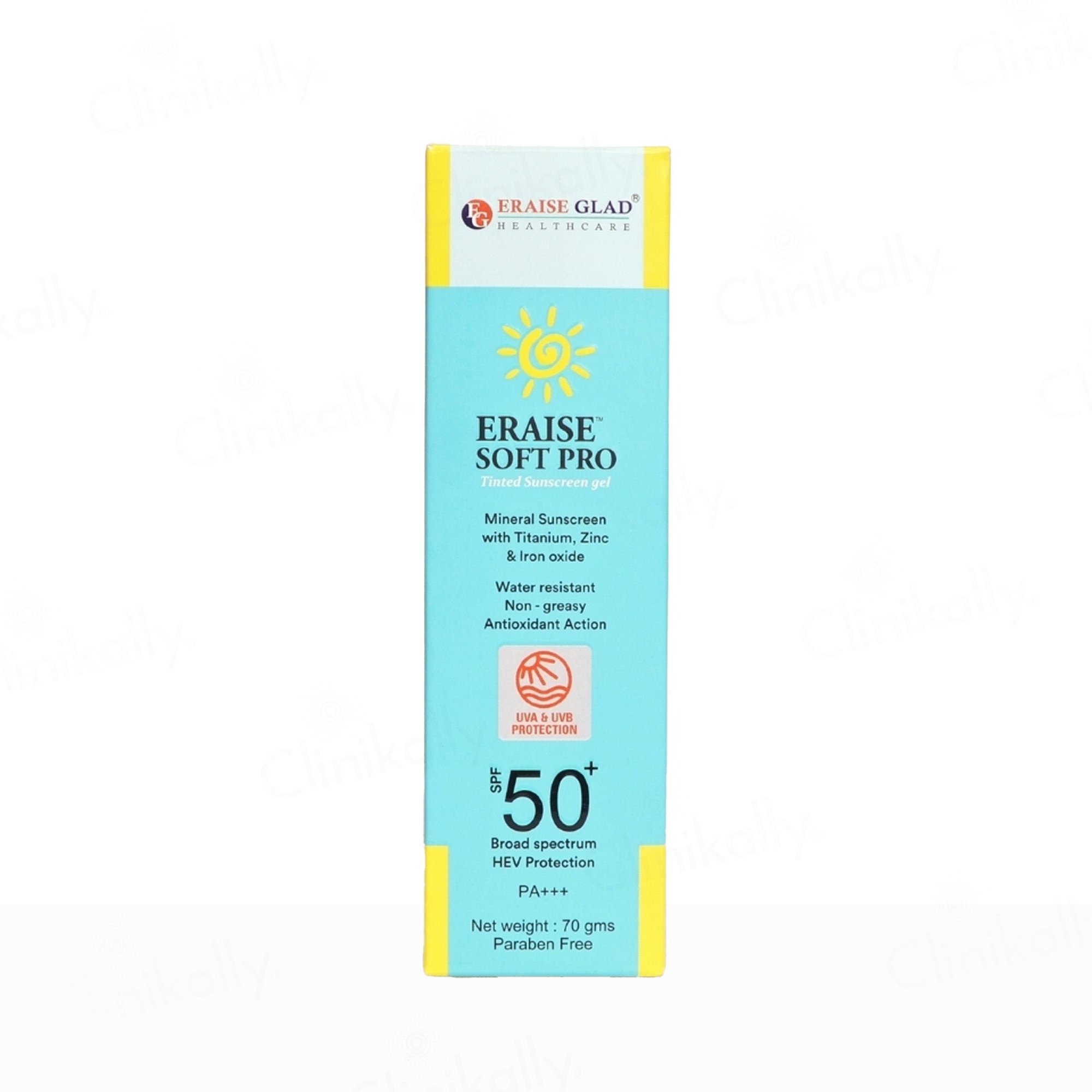
Ingredients overview
 INCI photo pending approval
Highlights
Key Ingredients
Skim through
| Ingredient name | what-it-does | irr., com. | ID-Rating |
|---|---|---|---|
| Aqua | solvent | ||
| Isopropyl Myristate | emollient, perfuming | 3, 3-5 | |
| Caprylic/Capric Triglyceride | emollient | ||
| Glycerin | skin-identical ingredient, moisturizer/humectant | 0, 0 | superstar |
| Glyceryl Stearate Citrate | emollient, emulsifying | ||
| Avena Sativa (Oat) Kernel Meal | abrasive/scrub | ||
| Titanium Dioxide | sunscreen, colorant | goodie | |
| Iron Oxide | colorant | 0, 0 | |
| Tocopheryl Acetate | antioxidant | 0, 0 | |
| Squalane | skin-identical ingredient, emollient | 0, 1 | goodie |
| Phytosterols | |||
| Daucus Carota Sativa (Carrol) Seed | emollient | ||
| Acid | |||
| Zinc Oxide | sunscreen | 0, 1 | goodie |
| Betaine | moisturizer/humectant | goodie | |
| Carbomer | viscosity controlling | 0, 1 | |
| Sodium Levulinate | |||
| Potassium Sorbate | preservative | ||
| Parfum | perfuming | icky |
Eraise soft pro sunscreenIngredients explained
Good old water, aka H2O. The most common skincare ingredient of all. You can usually find it right in the very first spot of the ingredient list, meaning it’s the biggest thing out of all the stuff that makes up the product.
It’s mainly a solvent for ingredients that do not like to dissolve in oils but rather in water.
Once inside the skin, it hydrates, but not from the outside - putting pure water on the skin (hello long baths!) is drying.
One more thing: the water used in cosmetics is purified and deionized (it means that almost all of the mineral ions inside it is removed). Like this, the products can stay more stable over time.
A clear, colorless oil-like liquid that makes the skin feel smooth and nice (aka emollient) and it does so without it being greasy.
What's more, it can even reduce the heavy, greasy feel in products with high oil content. It's also fast-spreading meaning that it gives the formula a good, nice slip. It absorbs quickly into the skin and helps other ingredients to penetrate quicker and deeper.
Thanks to all this, it's one of the most commonly used emollients out there. There is just one little drawback: it has a high comedogenic index (5 out of 5...), so it might clog pores if you're prone to it.
A super common emollient that makes your skin feel nice and smooth. It comes from coconut oil and glycerin, it’s light-textured, clear, odorless and non-greasy. It’s a nice ingredient that just feels good on the skin, is super well tolerated by every skin type and easy to formulate with. No wonder it’s popular.
- A natural moisturizer that’s also in our skin
- A super common, safe, effective and cheap molecule used for more than 50 years
- Not only a simple moisturizer but knows much more: keeps the skin lipids between our skin cells in a healthy (liquid crystal) state, protects against irritation, helps to restore barrier
- Effective from as low as 3% with even more benefits for dry skin at higher concentrations up to 20-40%
- High-glycerin moisturizers are awesome for treating severely dry skin
Glyceryl stearate citrate is similar to the super common skincare ingredient glyceryl stearate, and is similarly used to help combine waters and oils (emulsifier) and to make your skin feel nice and soft (emollient).
The main difference between glyceryl stearate citrate and its cousin glyceryl stearate is that this one has a citric acid molecule also attached to its glycerin. This makes it what chemists call a diacylglycerol, which is a fancy word for two acids (in this case, citric acid and stearic acid) attached together with a glycerin bridge. But when it comes to cosmetics, all you need to know is that both glyceryl stearate citrate and glyceryl stearate are safe, tried and true emulsifiers. Expect to see them in formulas with both water-based and oil-based ingredients (think moisturizers and lotions).
 We don't have description for this ingredient yet.
Titanium Dioxide is one of the two members of the elite sunscreen group called physical sunscreens (or inorganic sunscreens if you’re a science geek and want to be precise).
Traditionally, UV-filters are categorized as either chemical or physical. The big difference is supposed to be that chemical agents absorb UV-light while physical agents reflect it like a bunch of mini umbrellas on top of the skin. While this categorization is easy and logical it turns out it's not true. A recent, 2016 study shows that inorganic sunscreens work mostly by absorption, just like chemical filters, and only a little bit by reflection (they do reflect the light in the visible spectrum, but mostly absorb in the UV spectrum).
Anyway, it doesn't matter if it reflects or absorbs, Titanium Dioxide is a pretty awesome sunscreen agent for two main reasons: it gives a nice broad spectrum coverage and it's highly stable. Its protection is very good between 290 - 350 nm (UVB and UVA II range), and less good at 350-400 nm (UVA I) range. Regular sized Titanium Dioxide also has a great safety profile, it's non-irritating and is pretty much free from any health concerns (like estrogenic effect worries with some chemical filters).
The disadvantage of Titanium Dioxide is that it's not cosmetically elegant, meaning it's a white, "unspreadable" mess. Sunscreens containing Titanium Dioxide are often hard to spread on the skin and they leave a disturbing whitish tint. The cosmetic industry is, of course, really trying to solve this problem and the best solution so far is using nanoparticles. The itsy-bitsy Nano-sized particles improve both spreadability and reduce the whitish tint a lot, but unfortunately, it also introduces new health concerns.
The main concern with nanoparticles is that they are so tiny that they are absorbed into the skin more than we want them (ideally sunscreen should remain on the surface of the skin). Once absorbed they might form unwanted complexes with proteins and they might promote the formation of evil free radicals. But do not panic, these are concerns under investigation. A 2009 review article about the safety of nanoparticles summarizes this, "to date, in-vivo and in-vitro studies have not demonstrated percutaneous penetration of nanosized particles in titanium dioxide and zinc oxide sunscreens". The English translation is, so far it looks like sunscreens with nanoparticles do stay on the surface of the skin where they should be.
All in all, Titanium Dioxide is a famous sunscreen agent and for good reason, it gives broad spectrum UV protection (best at UVB and UVA II), it's highly stable, and it has a good safety profile. It's definitely one of the best UV-filter agents we have today, especially in the US where new-generation Tinosorb filters are not (yet) approved.
Red Iron Oxide is the super common pigment that gives the familiar, "rust" red color. It is also the one that gives the pink tones in your foundation. Chemically speaking, it is iron III oxide (Fe2O3).
It’s the most commonly used version of pure vitamin E in cosmetics. You can read all about the pure form here. This one is the so-called esterified version.
According to famous dermatologist, Leslie Baumann while tocopheryl acetate is more stable and has a longer shelf life, it’s also more poorly absorbed by the skin and may not have the same awesome photoprotective effects as pure Vit E.
It seems to us that squalane is in fashion and there is a reason for it. Chemically speaking, it is a saturated (no double bonds) hydrocarbon (a molecule consisting only of carbon and hydrogen), meaning that it's a nice and stable oily liquid with a long shelf life.
It occurs naturally in certain fish and plant oils (e.g. olive), and in the sebum (the oily stuff our skin produces) of the human skin. As f.c. puts it in his awesome blog post, squalane's main things are "emolliency, surface occlusion, and TEWL prevention all with extreme cosmetic elegance". In other words, it's a superb moisturizer that makes your skin nice and smooth, without being heavy or greasy.
Another advantage of squalane is that it is pretty much compatible with all skin types and skin conditions. It is excellent for acne-prone skin and safe to use even if you have fungi-related skin issues, like seborrhea or fungal acne.
The unsaturated (with double bonds) and hence less stable version of Squalane is Squalene, you can read about it here >>
We don't have description for this ingredient yet.
The oil coming from the seeds of the carrot, the orange root vegetable we all know and eat regularly. This oil is a really tricky one, as it can refer to two types of oil that can both be extracted from the carrot seeds: the essential oil (about 0.83% yield) and the fixed oil (about 7.84% yield).
The two seed oils are very different and to make matters even worse these two oils are also very different from carrot root oil, or carrot oil, that is basically carrot root extract macerated in a carrier oil such as sunflower or olive oil and is the one that contains the vitamin A precursor, carotene.
Let's start with the fixed oil: it's a nice emollient plant oil that is loaded with moisturizing fatty acids (petroselinic acid - 60% and linoleic acid - 12% are the main ones). Other important components are carotol (30%) and daucol (12%) that give the seed oil antifungal and antioxidant properties. Browsing cosmetic manufacturer info, the oil is also often described as revitalizing, toning and stimulating.
As for the essential oil, it is a light yellow colored oil with a rich, spicy and earthy fragrance. Its main component is carotol (about 65%) but similar to other essential oils, it is a chemically complex mixture with lots of compounds in small amounts. The essential oil also has antifungal and antioxidant properties but also contains fragrant components that might irritate sensitive skin types.
This ingredient name is not according to the INCI-standard. :( What, why?!
When it comes to sunscreen agents, Zinc Oxide is pretty much in a league of its own. It's a physical (or inorganic) sunscreen that has a lot in common with fellow inorganic sunscreen Titanium Dioxide (TiO2) but a couple of things make it superior even to TiO2.
If physical sunscreens don't tell you anything, go ahead and read about the basics here. Most of what we wrote about Titanium Dioxide is also true for Zinc Oxide so we will focus here on the differences.
The first main difference is that while TiO2 gives a nice broad spectrum protection, Zinc Oxide has an even nicer and even broader spectrum protection. It protects against UVB, UVA II, and UVA I almost uniformly, and is considered to be the broadest range sunscreen available today.
It's also highly stable and non-irritating. So much so that Zinc Oxide also counts as a skin protectant and anti-irritant. It's also often used to treat skin irritations such as diaper rash.
As for the disadvantages, Zinc Oxide is also not cosmetically elegant. It leaves a disturbing whitish tint on the skin, although, according to a 2000 research paper by Dr. Pinnell, it's slightly less white than TiO2. Still, it's white and disturbing enough to use Zinc Oxide nanoparticles more and more often.
We wrote more about nanoparticles and the concerns around them here, but the gist is that if nanoparticles were absorbed into the skin that would be a reason for legitimate health concerns. But luckily, so far research shows that sunscreen nanoparticles are not absorbed but remain on the surface of the skin or in the uppermost (dead) layer of the skin. This seems to be true even if the skin is damaged, for example, sunburnt.
All in all, if you've found a Zinc Oxide sunscreen that you are happy to use every single day, that's fantastic and we suggest you stick with it. It's definitely one of the best, or probably even the best option out there for sun protection available worldwide.
A sugar beet-derived amino acid derivative with nice skin protection and moisturization properties. Betaine's special thing is being an osmolyte, a molecule that helps to control cell-water balance. It is also a natural osmoprotectant, meaning that it attracts water away from the protein surface and thus protects them from denaturation and increases their thermodynamic stability.
It also gives sensorial benefits to the formula and when used in cleansers, it helps to make them milder and gentler.
A big molecule created from repeated subunits (a polymer of acrylic acid) that magically converts a liquid into a nice gel formula. It usually has to be neutralized with a base (such as sodium hydroxide) for the thickening to occur and it creates viscous, clear gels that also feel nice and non-tacky on the skin. No wonder, it is a very popular and common ingredient. Typically used at 1% or less in most formulations.
We don't have description for this ingredient yet.
It's one of those things that help your cosmetics not to go wrong too soon, aka a preservative. It’s not a strong one and doesn’t really work against bacteria, but more against mold and yeast. To do that it has to break down to its active form, sorbic acid. For that to happen, there has to be water in the product and the right pH value (pH 3-4).
But even if everything is right, it’s not enough on its own. If you see potassium sorbate you should see some other preservative next to it too.
BTW, it’s also a food preservative and even has an E number, E202.
Exactly what it sounds: nice smelling stuff put into cosmetic products so that the end product also smells nice. Fragrance in the US and parfum in the EU is a generic term on the ingredient list that is made up of 30 to 50 chemicals on average (but it can have as much as 200 components!).
If you are someone who likes to know what you put on your face then fragrance is not your best friend - there's no way to know what’s really in it.
Also, if your skin is sensitive, fragrance is again not your best friend. It’s the number one cause of contact allergy to cosmetics. It’s definitely a smart thing to avoid with sensitive skin (and fragrance of any type - natural is just as allergic as synthetic, if not worse!).
You may also want to take a look at...
| what‑it‑does | solvent |
| what‑it‑does | emollient | perfuming |
| irritancy, com. | 3, 3-5 |
| what‑it‑does | emollient |
| what‑it‑does | skin-identical ingredient | moisturizer/humectant |
| irritancy, com. | 0, 0 |
| what‑it‑does | emollient | emulsifying |
| what‑it‑does | abrasive/scrub |
| what‑it‑does | sunscreen | colorant |
| what‑it‑does | colorant |
| irritancy, com. | 0, 0 |
| what‑it‑does | antioxidant |
| irritancy, com. | 0, 0 |
| what‑it‑does | skin-identical ingredient | emollient |
| irritancy, com. | 0, 1 |
| what‑it‑does | emollient |
| what‑it‑does | sunscreen |
| irritancy, com. | 0, 1 |
| what‑it‑does | moisturizer/humectant |
| what‑it‑does | viscosity controlling |
| irritancy, com. | 0, 1 |
| what‑it‑does | preservative |
| what‑it‑does | perfuming |